The life of Dr John Hargrave
Maningrida: How it all began
It was first recorded in 1937 that First Nations peoples were suffering from leprosy in Maningrida, an ‘Aboriginal’ settlement in the middle of the northern coast of Arnhem Land.
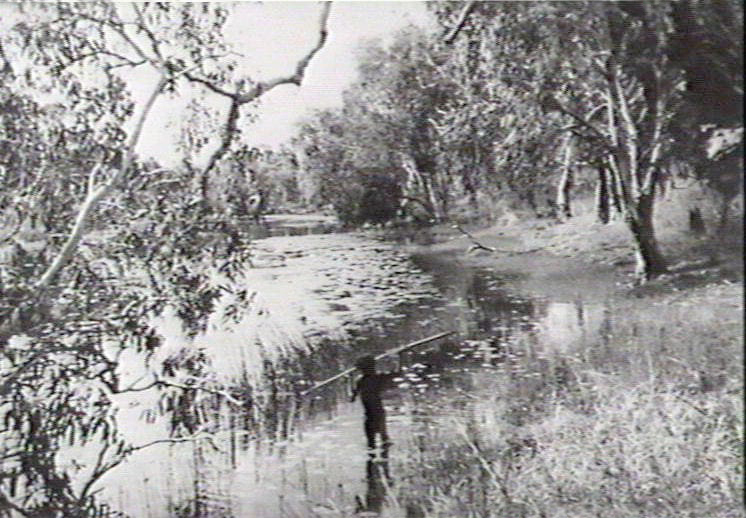
It took twenty years for the first doctor to arrive in Maningrida. In 1957, Dr John Hargrave, a young medical graduate from the University of Adelaide, went by air to Goulburn Island then travelled to Maningrida by boat on the Liverpool River. “It was very remote – very remote indeed,” he told Caroline Evans many years later.
Confronting the fear of enforced isolation
One of the first things John noticed in Maningrida was that a lot of people suffering from leprosy were hiding in the bush. This was due to a policy of forcibly isolating leprosy patients and, as there was no medical treatment available until the late-1940s, they’d be removed from their families and placed in isolation for the rest of their lives.
John’s first self-assigned task was to quash the belief that leprosy patients should be locked away from the rest of the world. Until 1955, people with leprosy in the Northern Territory were taken to leper colonies on Channel Island and before that to Mud Island. Then in 1955, the East Arm Leprosarium on the mainland was opened.
Instead of following common practice and forcing First Nations peoples into leper colonies and leprosariums, John convinced his reporting doctor to instead wait for patients to request admission to the hospital themselves. This approach worked and resulted in increased medical treatment and patient trust.
First Nations peoples begin making their own decisions
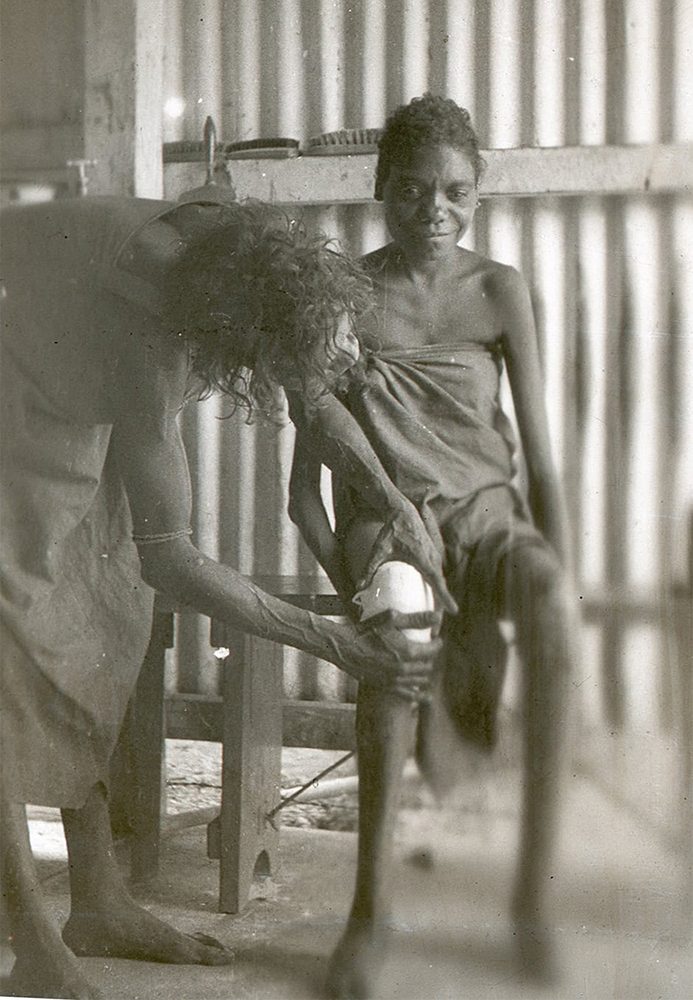
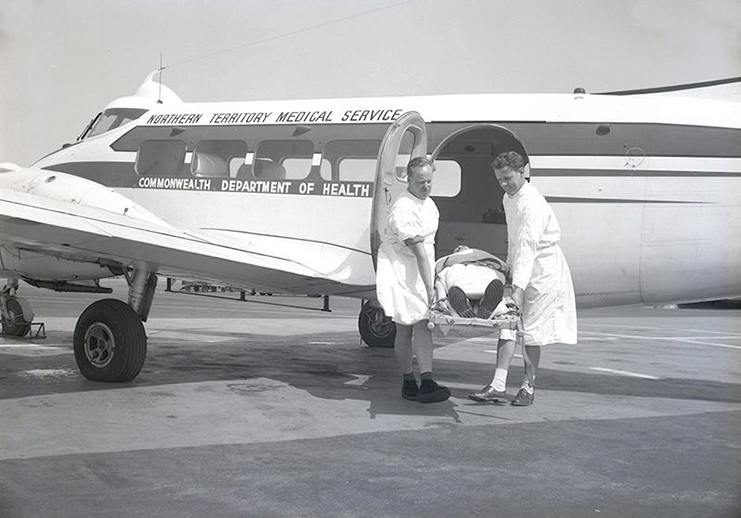
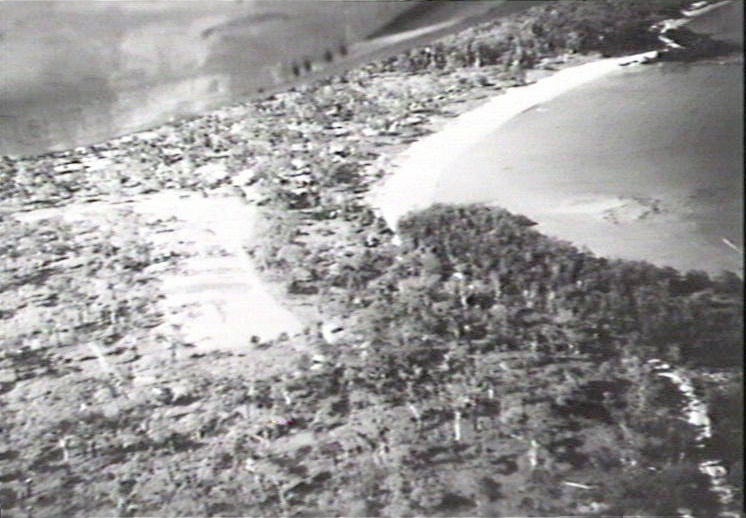
Two years later, thanks to John’s work, a temporary isolation camp was established in Maningrida and First Nations patients came in for treatment without threats or forced retention. An airstrip had been built and leprosy patients were flown to Darwin when they required medical assistance. The majority of these patients had serious nerve damage, and hand and foot deformities caused by leprosy.
In Maningrida, fewer First Nations peoples were hiding in the bush when they caught leprosy, and this decreased the spread of the disease. As John explained to government officials, when leprosy patients hid in the bush their condition couldn’t be seen and was, therefore, not treated. It then spread more rapidly among families and communities.
The First Nations peoples grew to trust and respect John as he rallied against the police force to stop mandatory isolation. His insightful actions also eliminated the need for leprosy patients to hide in the bush. It turned out that Maningrida was where John would make the most important decision of his life. He decided to specialise in leprosy and do everything he could to repair deformities including claw hand, claw toes, foot drop and saddle nose.
How did leprosy reach Australia?
In 1872, gold was discovered at Pine Creek in the Northern Territory and two years later pearls were found in Darwin Harbour.
These discoveries led to an influx of European and Chinese immigrants who, unfortunately, brought foreign diseases into Australia. The worst of these was leprosy.
Leprosy spread into First Nations communities and the Australian authorities had no idea how to stop it. The growing leprosy epidemic was startling, but there was no treatment available in Australia and no doctors trained in how to repair the nerve damage and deformities.
Then, in 1957, Dr John Hargrave arrived in Darwin.